
Plastering and Skimming in Basildon, Essex
Smooth wall and ceiling finishes on new plasterboard and existing surfaces — skimming, bonding and base coats, artex ceilings re-skimmed, patch repairs and making good, all left ready for decorating.
Flat Walls Are Not an Accident
A good skim looks effortless, which is exactly why people underestimate it. Plaster goes off on its own timetable, and the window to get it flat and polished is short — miss it and you are left with trowel lines, ripples and edges that show up the moment low sunlight crosses the wall.
We skim new plasterboard, re-skim tired walls and ceilings, apply bonding and base coats where the surface needs building out first, and patch and make good after other work. Every job is handed over ready for painting or papering.
What We Take On
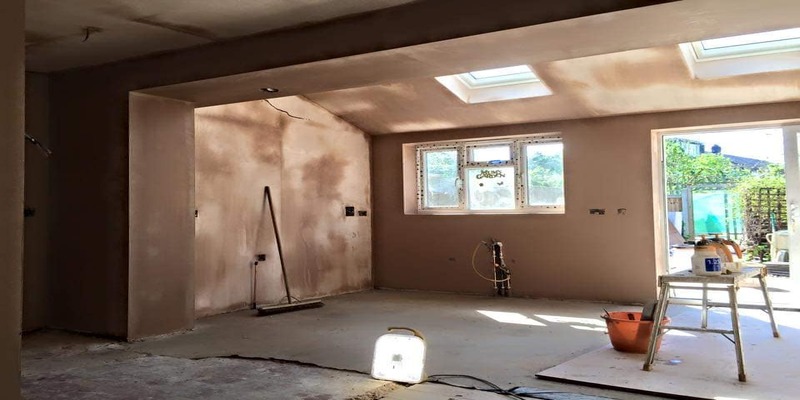
From patching one damaged wall to skimming a whole house after a refurbishment.
Skimming Plasterboard
New board skimmed to a smooth, flat finish — the standard finish on extensions, loft conversions and any room that has been reboarded.
Re-Skimming Old Walls
Tired, pitted or damaged plaster brought back flat without stripping everything back to brick, provided the existing plaster is sound.
Ceilings & Artex
Textured ceilings prepared and skimmed over for a modern flat finish. See our artexing and coving page for the detail.
Bonding & Base Coats
Backing plaster used to build out and level uneven or damaged backgrounds before the finishing coat goes on.
Patching & Making Good
Holes, chases, damaged corners and the mess left behind after electrical, plumbing or removal work, all made good and blended in.
Full Room or House
Whole rooms or entire properties skimmed as part of a refurbishment, worked through in a sensible order so the job keeps moving.
It Is All in the Suction
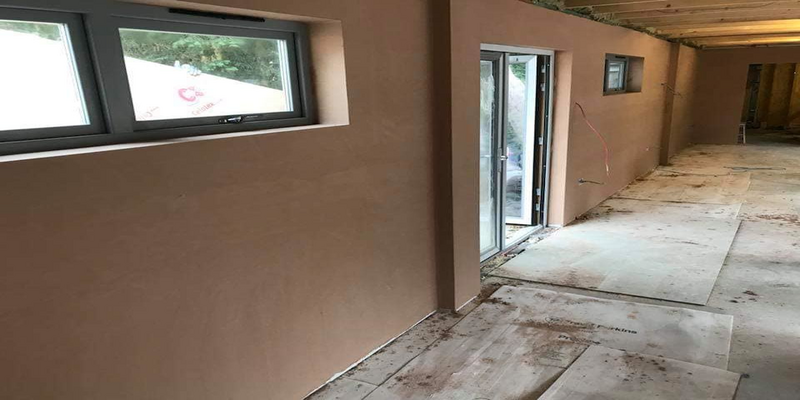
Skim is a thin finishing coat, only a couple of millimetres thick, and it lives or dies on what is underneath it. A dry, thirsty wall pulls the moisture straight out of the plaster before it can be worked, and you end up with a surface that cracks and goes powdery.
Controlling that suction is the job — PVA or bonding agent on the backgrounds that need it, board joints dealt with, and the wall assessed before anything is mixed. Get that right and the plaster stays workable long enough to be trowelled properly flat.
- Surfaces assessed before mixing
- Suction controlled with PVA or bonding
- Board joints scrimmed
- Two coats worked together
- Trowelled flat, not just filled
- Floors sheeted and cleaned down
Skim, Build Out, or Board Over
Three routes to a flat wall, and the state of what you already have decides which one.
Sound but Tired
Where the existing plaster is solid and reasonably flat, a skim coat straight over it is the quickest and cheapest route to a fresh, paint-ready surface.
Uneven or Patched
Where a wall dips, has been chased, or has areas hacked off, a bonding coat builds it back out to a level background before the finishing coat goes on.
Blown or Hollow
Where the old plaster has blown and sounds hollow, skimming over it just buys time. Boarding over — or hacking off and starting again — is the honest answer.
The Mistake Almost Everyone Makes
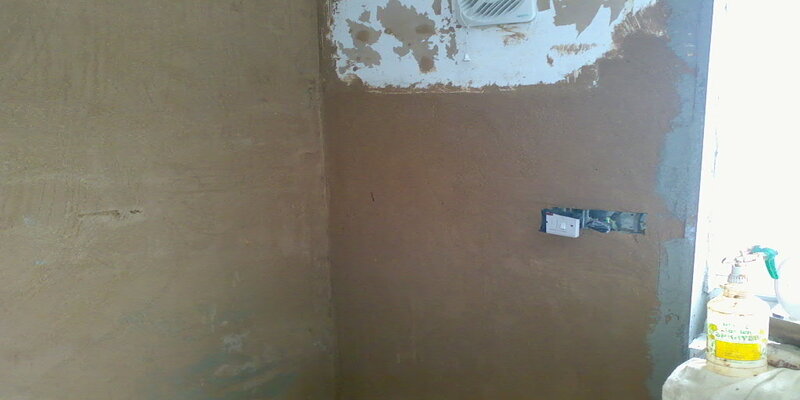
Fresh plaster looks dry long before it is. The surface goes from dark brown to a pale, even pink as the moisture leaves, and any patch still showing darker is still wet underneath. Painting over that traps the moisture and the emulsion peels away in sheets weeks later.
As a rough guide, a skim on plasterboard is often ready in around a week in normal conditions, while walls with a bonding coat behind them take longer — and cold, damp weather stretches both. The first coat then wants to be a thinned mist coat rather than neat emulsion, so it soaks in and grips.
- Wait for an even pale colour
- No dark patches left anywhere
- Ventilate, do not blast with heat
- Mist coat first, thinned down
- Full coats after that
- We will tell you when it is ready
From First Call to Flat Walls
Same approach whether it is one ceiling or a full house.
Talk It Through
Tell Ben which rooms, what condition they are in and whether anything else is happening first.
Look and Quote
We check the walls for soundness and suction, work out whether it is a skim, a bonding coat or a reboard, then quote.
Protect and Prepare
Floors sheeted, fittings covered, surfaces prepared and joints scrimmed before any plaster is mixed.
Skim and Clean Down
Coats applied and trowelled flat, then everything cleaned down and cleared out rather than left for you.

Offices, Units and Rental Properties
Alongside family homes we plaster offices, shop units, communal areas and rental properties. Commercial work usually runs to a tighter deadline, so dates get agreed up front and kept to, and we work around trading hours where a business needs to stay open.
For landlords and agents, plastering between tenancies is one of the quickest ways to lift a tired property — and it is far cheaper than repeatedly filling and painting over the same damaged walls.
What Our Customers Say
Feedback from homeowners across Basildon and the surrounding Essex area.
“Job well carried out by the Essex Renovation Solutions crew. Clean, good job and nice price!”Aran Pennick Kitchen Renovation Work
“I’ve used Ben a couple of times now, always been clean and tidy and the jobs have gone really well, I would recommend Ben and his team!”Livia Evans Bespoke Storage
“I have been very happy with Ben’s work. I have had several jobs done in the house including boxing in pipes, altering doors and plinths.”Bernadette Donovan Carpentry & Property Repairs
Plastering & Skimming FAQs
The questions we get asked most about plaster and what happens after it.
How long before I can paint fresh plaster?
Wait until the whole surface has gone an even pale colour with no darker patches anywhere. On plasterboard that is often around a week in normal conditions; over a bonding coat it takes longer, and cold or damp weather stretches it further. Ventilate the room rather than blasting heat at it, and start with a thinned mist coat.
Can you skim over artex?
Usually, where the existing artex is sound and well stuck. Heavy textures may need knocking back first. One important point: textured coatings made before the 2000 ban can contain asbestos, so anything of that age should be tested before it is sanded or scraped — skimming over the top without disturbing it is normally the safer route.
Can you plaster over wallpaper or tiles?
Wallpaper should come off first. Plaster is heavy and wet, and it will pull paper away from the wall, taking your new finish with it. Tiles can sometimes be skimmed over with the right preparation, but removing them and making good is usually the more reliable answer.
Will the new plaster crack?
Fine hairline cracking can appear as plaster dries, particularly around board joints and in new buildings that are still settling. It is normal, it fills easily before painting, and it is not a sign of a bad job. Larger or recurring cracks are a different matter and usually point to movement that needs looking at.
How long does a room take to skim?
An average room is often a day for walls and ceiling once it is prepared, though bonding coats, difficult access or heavy making good add time. Plaster cannot be rushed — it goes off when it goes off, and the finish depends on working it at the right moment.
Which areas do you cover?
We are based in Basildon and work across Essex within roughly a 30-mile radius, including Wickford, Billericay, Rayleigh, Benfleet, Brentwood, Canvey Island, Hadleigh, Pitsea, Laindon, Vange, Stanford-le-Hope, Chelmsford and Southend-on-Sea. Give Ben a call with your postcode.
Plastering and Skimming Across Essex
Based in Basildon and covering Essex within approximately a 30-mile radius, including Pitsea, Laindon, Vange, Stanford-le-Hope, South Woodham Ferrers, Chelmsford and Southend-on-Sea.
Speak to Ben About Your Plastering
Essex Renovation Solutions provides clean, reliable renovation, plastering, carpentry, kitchen fitting, bathroom work and property improvement services across Basildon and surrounding Essex areas.
07946 565296